Why Starting Sports at Age 3 Gives Your Child a Lifetime Advantage — And Where to Begin in Karachi
Every parent wants the best for their

Three-year-olds don’t sit still for instructions, and any parent who has tried to enrol a toddler in a structured activity knows the real question isn’t “which sport is better” — it’s “which one will my child actually stick with past week two.” At Baseline Tennis Academy in DHA, that question comes up constantly from parents choosing between Teddy Tennis and Teddy Soccer for kids aged 3 to 6.
Both programmes are built around the same idea: introduce a sport through play, not drills, so young children build coordination and confidence before anyone hands them a scorecard. But the two sports ask different things of a small body, and knowing the difference makes the decision a lot easier than guessing.
Here’s an honest breakdown of what each toddler programme actually involves at Baseline, and how to figure out which one fits your child.
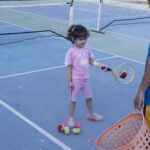
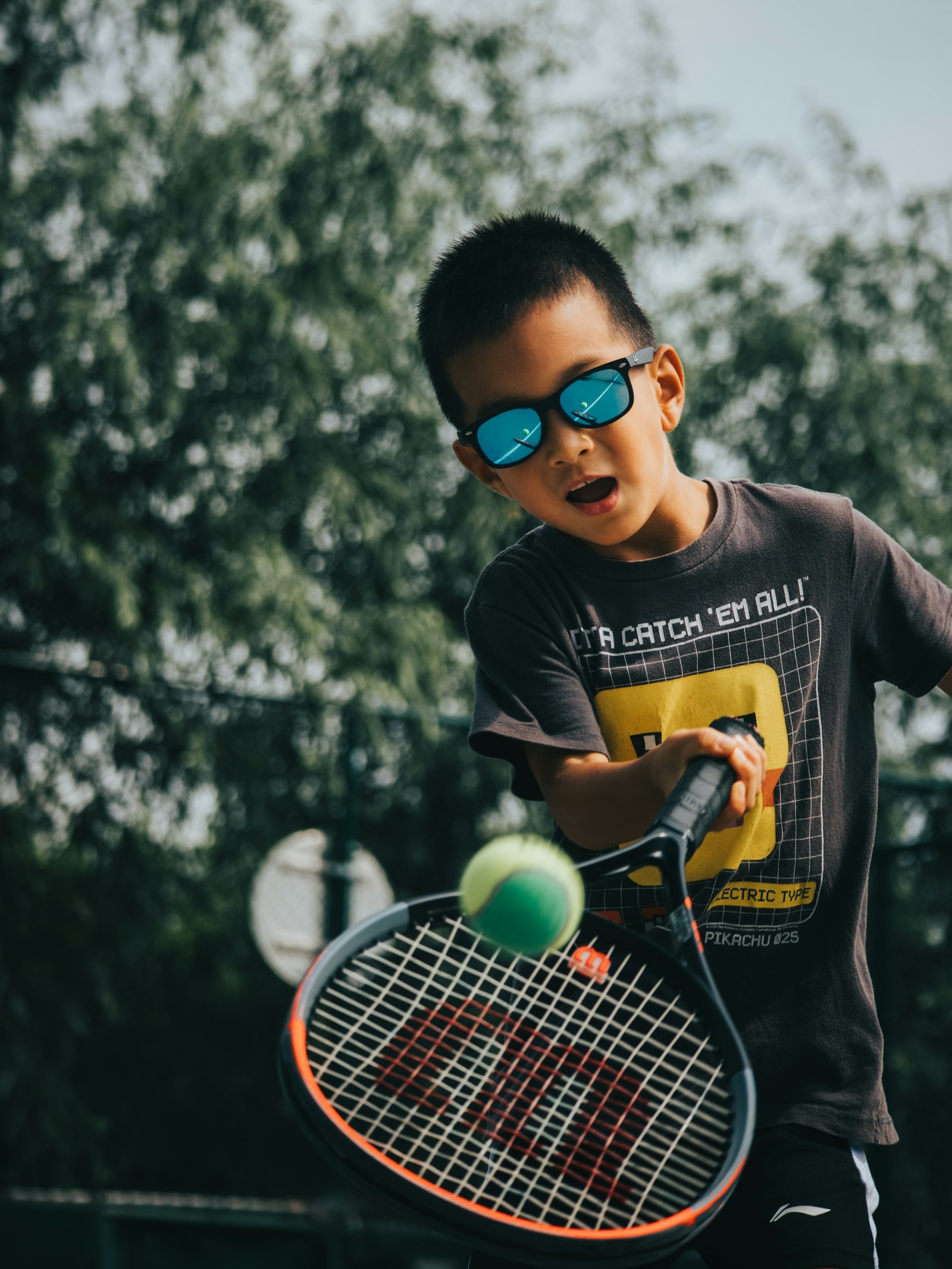
Teddy Tennis at Baseline uses soft, oversized balls, lightweight racquets sized for small hands, and short bursts of activity built around games rather than technique correction. Sessions focus on hand-eye coordination, balance, and following simple two-step instructions — catch, then hit; run, then stop. There’s a lot of individual repetition inside a group setting, which suits toddlers who like having their own space to try something and fail at it without an audience judging them.
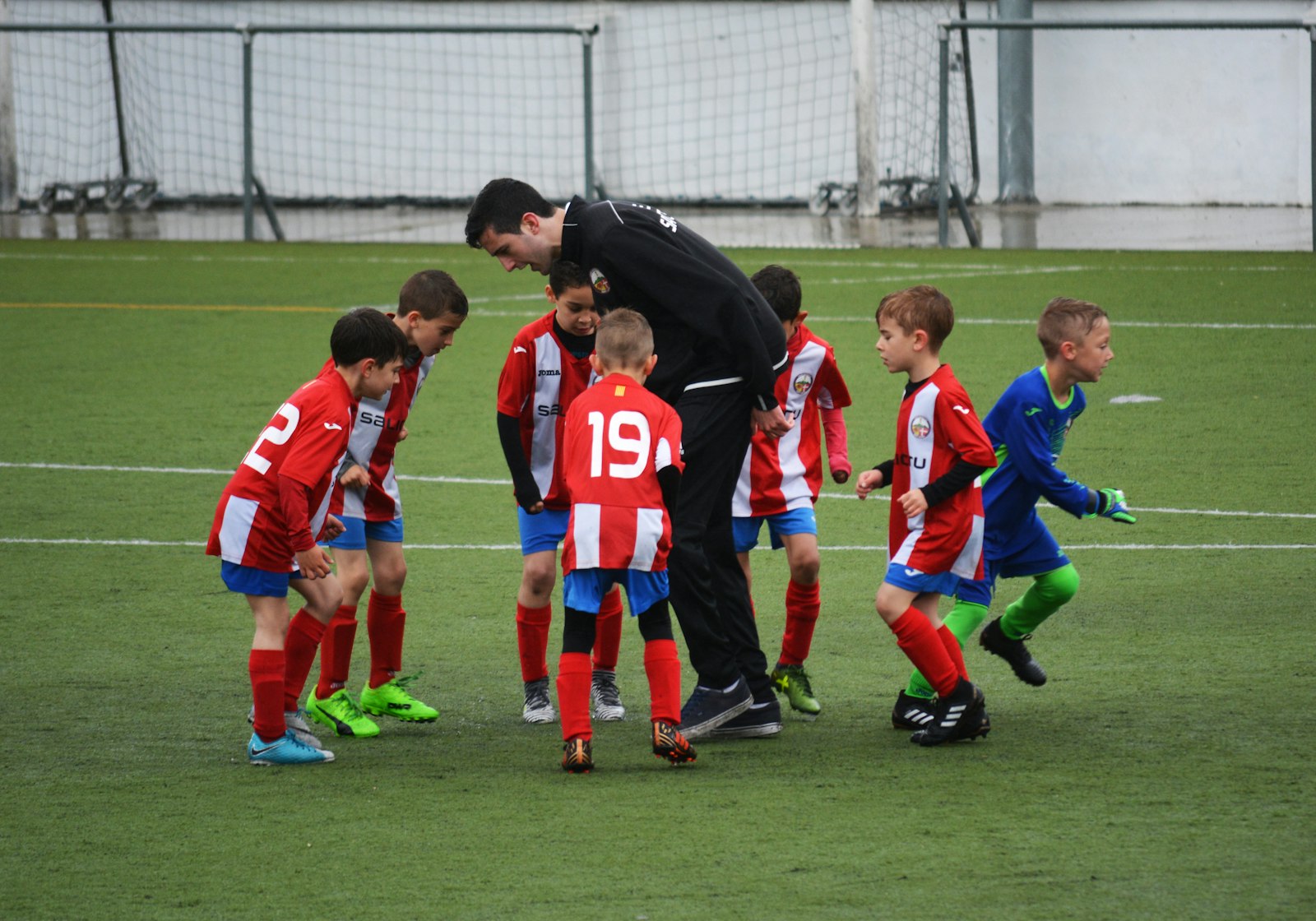
Teddy Soccer runs on constant movement — dribbling around cones, small-sided games, and activities that reward gross motor skills like running, kicking, and changing direction. Where tennis asks a toddler to control an implement in their hand, soccer asks them to control their whole body in space. It’s a natural fit for children who struggle to focus on fine hand movements but light up the moment they’re allowed to run.
Both programmes share instructors trained to work with this exact age group, and both keep group sizes small enough that no child disappears into the back of a crowd.
Strip away the branding and the choice comes down to a simple developmental question. Tennis builds fine motor control — grip, timing, hand-eye coordination — through an object held at a distance from the body. Soccer builds gross motor control — balance, spatial awareness, whole-body coordination — through movement close to the ground. Neither is more advanced or more “serious” than the other at this age; they’re simply training different systems.
Parents sometimes assume tennis is the harder, more disciplined choice and soccer is just running around. In practice, a toddler who can’t yet track a moving ball with their eyes will struggle in tennis regardless of effort, while a toddler who’s naturally cautious about physical contact may prefer tennis’s more individual structure over soccer’s constant collisions and scrambles for the ball.
Watch your child at the park for one honest data point: do they gravitate toward picking up sticks and swinging them at things, or do they take off running the second there’s open space? Kids who narrate their own games and like a bit of one-on-one attention tend to settle into tennis faster. Kids who need to physically move to process excitement, and who don’t mind noise and chaos, tend to thrive in soccer’s group-heavy format.
If you genuinely can’t tell, that’s a normal place to start — Baseline runs both Teddy Tennis and Teddy Soccer on-site in DHA, so trying a session of each before committing to a term is entirely possible, and coaches are used to toddlers who take a class or two to warm up either way.
A number of Baseline families run both programmes on alternating weeks rather than forcing a single choice at age four. It’s an easy way to see which sport a child naturally leans toward over a full term, without pressuring a toddler into a decision they’re too young to reason through. Coaches simply flag which skills show up faster in each setting, giving parents real signal instead of a guess.
Whichever you start with, the goal at this age isn’t performance — it’s building a positive, low-pressure relationship with movement and sport early, led by coaches who know how to keep a three-year-old engaged for a full session. Visit baselinetennisacademy.pk or message Baseline Tennis Academy on WhatsApp to book a trial Teddy Tennis or Teddy Soccer class in DHA and see which one your toddler runs back to next week.