Why Starting Sports at Age 3 Gives Your Child a Lifetime Advantage — And Where to Begin in Karachi
Every parent wants the best for their

Ask any Karachi parent when their family last spent ninety minutes together without a single phone coming out, and watch them pause. Between school runs, tuition, office hours that stretch past dinner and weekends swallowed by errands, shared time has quietly become the scarcest thing in the house.
Padel is changing that for a growing number of families in DHA. Not because it is fashionable, but because of how the game is built: four players, an enclosed court, short rallies that anyone can join, and a format that rewards talking to the person next to you. It turns out those are exactly the ingredients a family outing needs.
At Baseline Tennis Academy in DHA, we see it every week — parents who booked one court to “try it out” now holding a standing family slot. Here is why padel works so well for families, and how to make it part of yours.
Padel is almost always played as doubles. That one detail matters more than it seems. A family of four fills a court exactly, and the natural pairings — parent with child, siblings against parents, or a rotating mix — give every game a different story.
Because you share half the court with a partner, nobody is left alone to carry the rally. A ten-year-old paired with a parent learns to call “mine,” cover the line and recover together. Teenagers who no longer want to be told anything at home will happily take advice mid-point when it is about winning the next game. The court gives families a shared goal that has nothing to do with homework or chores.
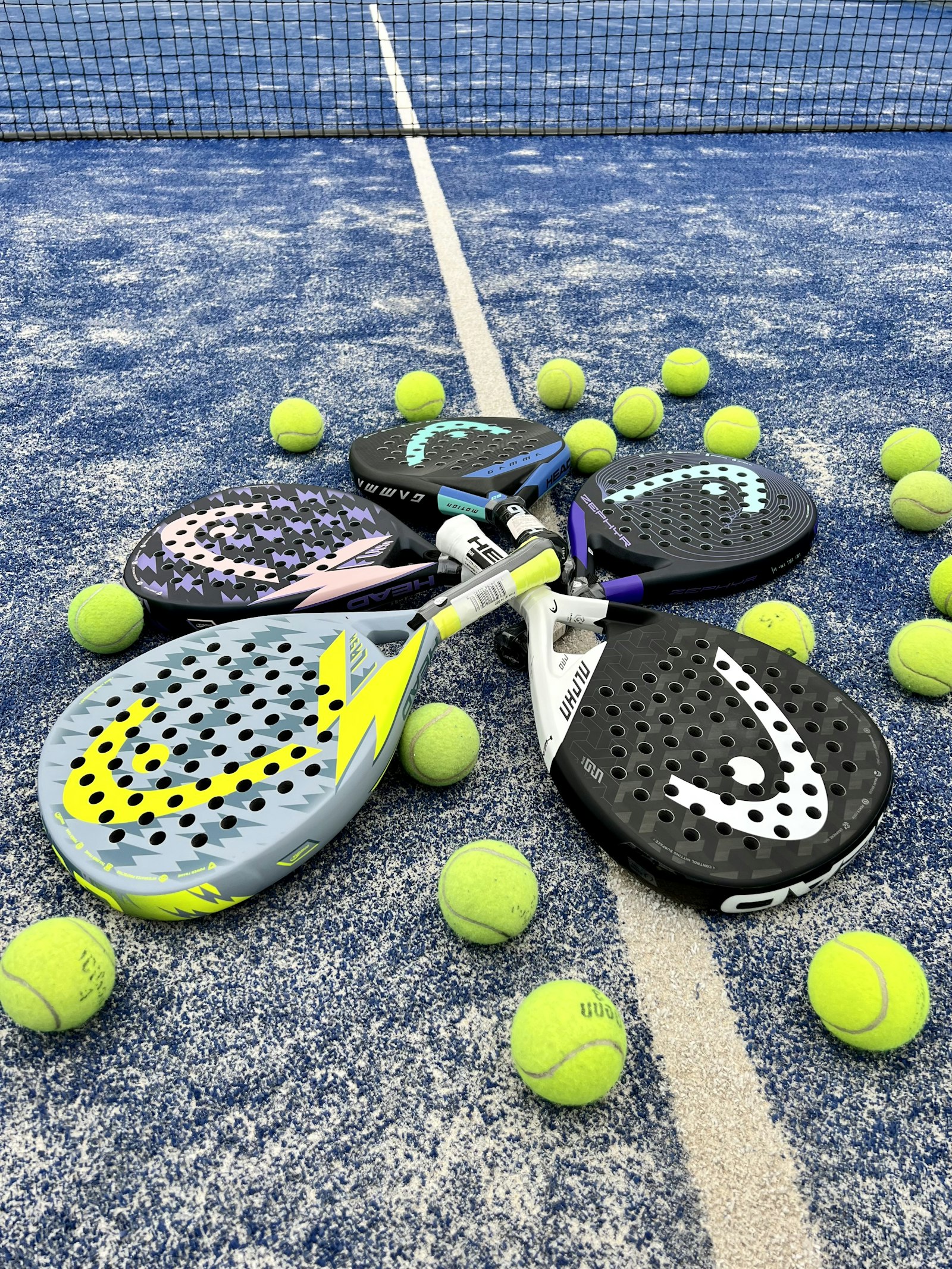
In most sports, a big gap in age or ability kills the fun within minutes. Padel softens that gap. The glass walls keep the ball in play, the underarm serve is easy to learn, and the shorter racket gives younger players control quickly. A beginner can return a ball off the back wall in their first session — which means rallies actually happen.
That matters for family dynamics. A father who played cricket at school, a mother who has not held a racket since university and a twelve-year-old who has never played anything can all share the same court and keep the ball moving. The stronger player learns to place the ball rather than smash it; the newer player gets enough touches to improve every week. Nobody spends the session chasing balls into the car park.
Families in Karachi do not lack good intentions — they lack fixed time. Padel solves this with its session length. A 60- or 90-minute evening slot, after the worst of the heat has passed, slots neatly between school pick-up and dinner. It is a commitment small enough to keep and regular enough to become a habit.
The families who get the most out of padel Karachi-style treat it like an appointment, not an afterthought. Same day, same time, every week. Within a month it becomes the thing children remind you about. If schedules vary, a weekend morning booking works just as well, and it frees up the rest of the day for everything else.

Here is the part most parents do not expect: children learn as much from watching you compete as from playing themselves. When a parent misses an easy volley, laughs it off and resets for the next point, a child sees resilience modelled in real time. When parents shake hands with their children at the net after losing a set, they show what sportsmanship looks like far better than any lecture.
Padel also gives children a rare chance to be better than their parents at something — and to teach them. A child who has picked up the bandeja in a coaching session and then shows Mum how to do it gains a kind of confidence that carries into the classroom.
A few structured sessions make family padel far more enjoyable. Learning correct grip, positioning and wall play early prevents frustration and the kind of wrist and shoulder strain that comes from bad technique. Baseline’s coaching programme is led by founder Farhan Wahid, a PTR-certified coach and former Pakistan No. 2 Junior, who designs sessions so that mixed-age groups each get something out of the same hour.
Many families start with a coached group session, then move to booking their own court once everyone can sustain a rally. Children who catch the bug can join our padel classes or kids tennis DHA programme — some of the most popular tennis classes Karachi families sign up for — while parents who want to sharpen their game can add adult tennis Karachi sessions alongside. We also offer pickleball DHA court bookings for grandparents and younger children who want an even gentler entry point — so nobody in the family has to sit on the sidelines.
The best family time is not planned around a screen or a restaurant table — it is built around something you do together, week after week. Padel gives Karachi families that shared ritual, and the court in DHA is ready when you are.
Visit baselinetennisacademy.pk or message us on WhatsApp to book a family court or a coached padel session at Baseline Tennis Academy. Bring the whole family — we will bring the rackets.