Why Starting Sports at Age 3 Gives Your Child a Lifetime Advantage — And Where to Begin in Karachi
Every parent wants the best for their

A child can love tennis for a year and quit it in a month. The difference is rarely the racket, the court or the child’s talent. It is usually the adult standing on the other side of the net.
Parents in DHA tend to shop for kids tennis classes the way they shop for schools: location, timing, fees. Those matter, but they say little about what happens in the sixty minutes your child is actually on court. Here is what is worth checking before you commit.
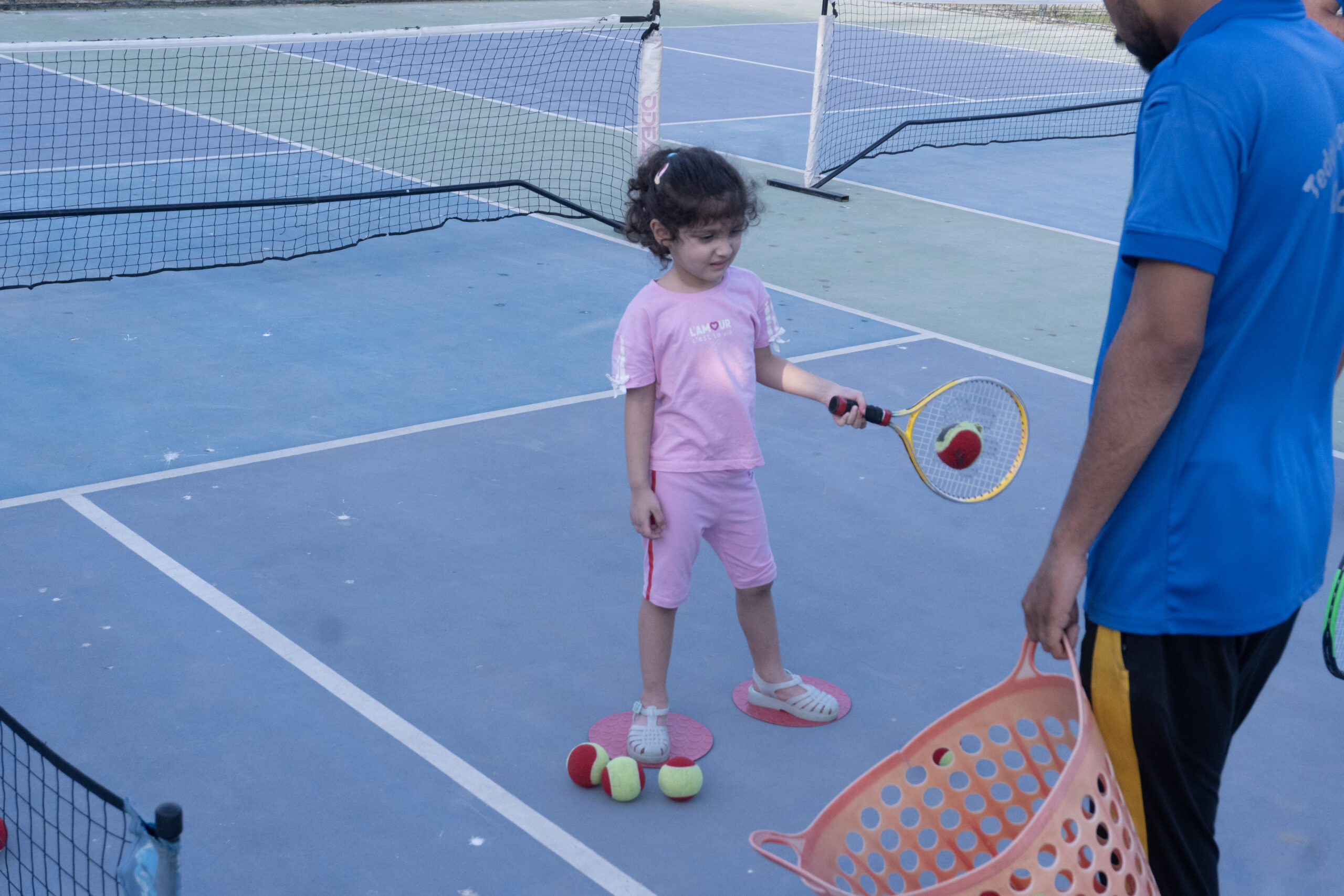
Anyone can run a drill when balls are landing in. Watch what happens when a child has framed five forehands in a row. A good kids tennis coach changes the task: a lower net, a softer ball, a shorter target. A weaker one repeats the instruction louder. Ask to observe a class and pay attention to those moments of struggle. The coach’s response to a stuck child tells you more than any CV.
A recognised coaching certification shows that someone has been trained in how to teach, which is a different skill from how to play. At Baseline Tennis Academy, founder Farhan Wahid is PTR-certified, and that training shapes how sessions are built: progressions that suit a child’s age, rather than adult drills made smaller. It is fair to ask any coach how they adapt a lesson for a six-year-old versus a twelve-year-old. If the answer is vague, that is an answer too.
Playing background counts for something as well, though not for the reason people assume. Having competed at a high level, as Farhan did as a former Pakistan No. 2 Junior, gives a coach firsthand knowledge of what the road looks like: the nerves, the plateaus, the lost matches. That helps them guide a child honestly, without false promises.
Parents often feel they must choose between a fun coach and a serious one. The best coaches refuse the choice. Children should be laughing within the first ten minutes and also learning to pick up balls, listen, and wait their turn. Notice the tone of the session. Is it calm and purposeful, or noisy and chaotic? Are children moving most of the time, or standing in a queue? Rule of thumb: a child should be hitting or moving for the large majority of a class, not waiting.
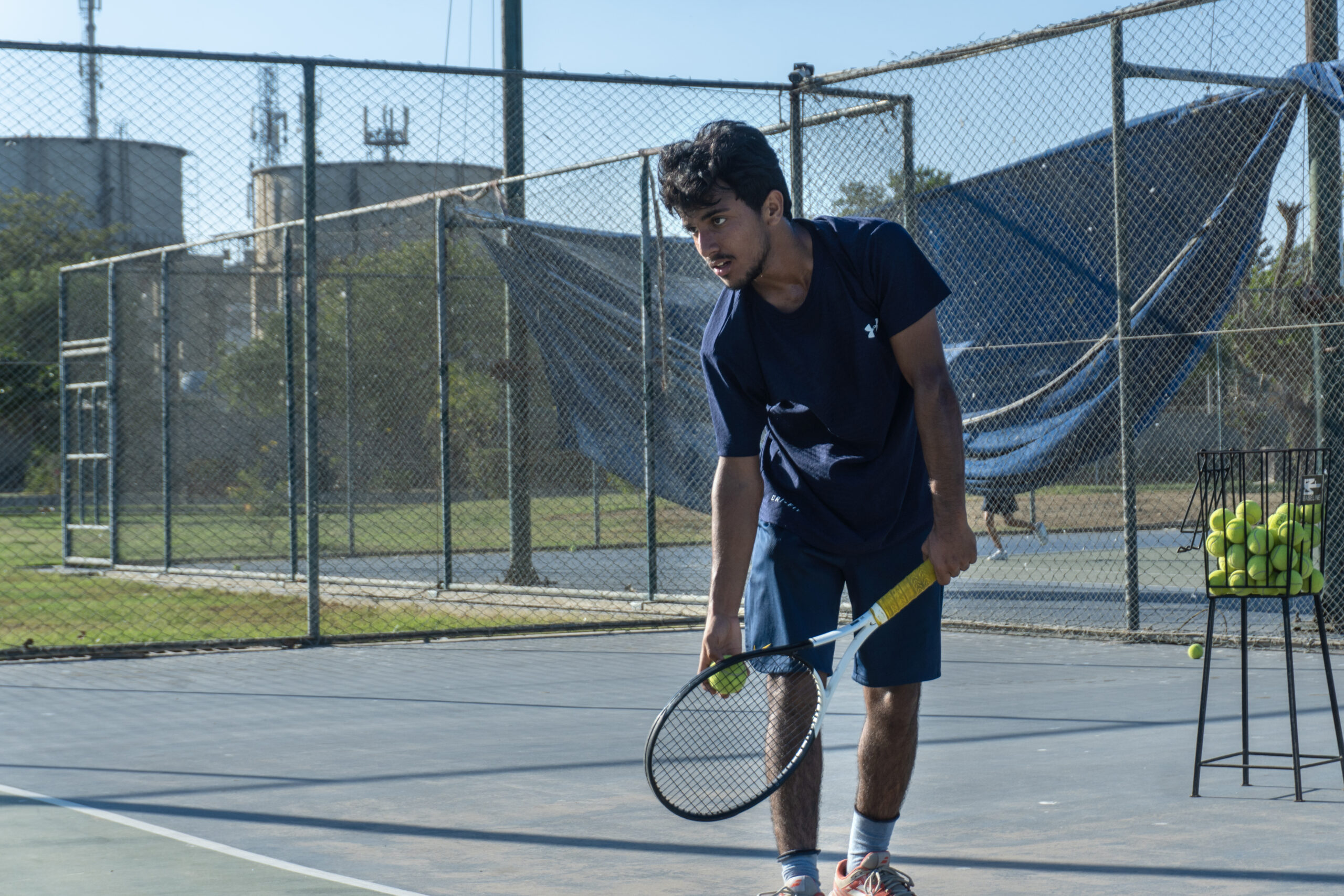
Ask the coach how they would describe your child’s progress after a term. Strong answers are specific: “her toss is more consistent, and she now recovers to the middle after a shot.” Weak answers are generic praise or, worse, comparisons with other children. Good coaches also tell parents what to work on and what to leave alone. They do not need you shouting technique from the sideline, and they will say so politely.
Also consider communication. Can you reach the coach or academy easily with questions? Do they flag concerns early, such as a child who seems anxious or losing interest, rather than after the term ends?
Children change. A shy beginner may become competitive at eleven; a keen eight-year-old may want only to play with friends. A good academy offers room to move: from first lessons, to regular classes, to match play when the child is ready. Ask what the next step looks like, and how the coach decides when a child is ready for it. Baseline’s kids tennis in DHA is built around that kind of progression, so families are not forced to start over elsewhere as a child grows.
Before you enrol, try to do four things: watch a full class, ask about certification and what it means in practice, ask how a struggling child is handled, and ask how progress is reported. If you cannot do these, treat it as a warning sign. If you are concerned about a child’s physical readiness, a quick word with your paediatrician or doctor is always sensible.
The best way to judge a coach is to see one at work. Visit www.baselinetennisacademy.pk or message us on WhatsApp to ask about tennis classes in Karachi for your child, whether they are picking up a racket for the first time or ready to step up. Come and watch a session, ask us the hard questions, and see whether the fit feels right.