Why Starting Sports at Age 3 Gives Your Child a Lifetime Advantage — And Where to Begin in Karachi
Every parent wants the best for their

Most adults who sign up for their first tennis class aren’t actually worried about the sport. They’re worried about being watched. There’s a particular kind of dread that comes with being thirty-four, or forty-one, or fifty-two, and standing on a court for the first time knowing that missing the ball is a real possibility — in public, in front of a coach, maybe next to someone half your age who looks like they were born holding a racket.
That fear keeps more people out of tennis classes in Karachi than any lack of time, money, or fitness ever does. And it’s almost entirely unfounded. Adult beginners don’t need natural talent or childhood training to get good at this game — they need an honest picture of what the first month actually feels like, so the hard parts don’t feel like failure and the good parts don’t sneak past unnoticed.
Here’s what that month really looks like, session by session, at Baseline Tennis Academy in DHA, Karachi.
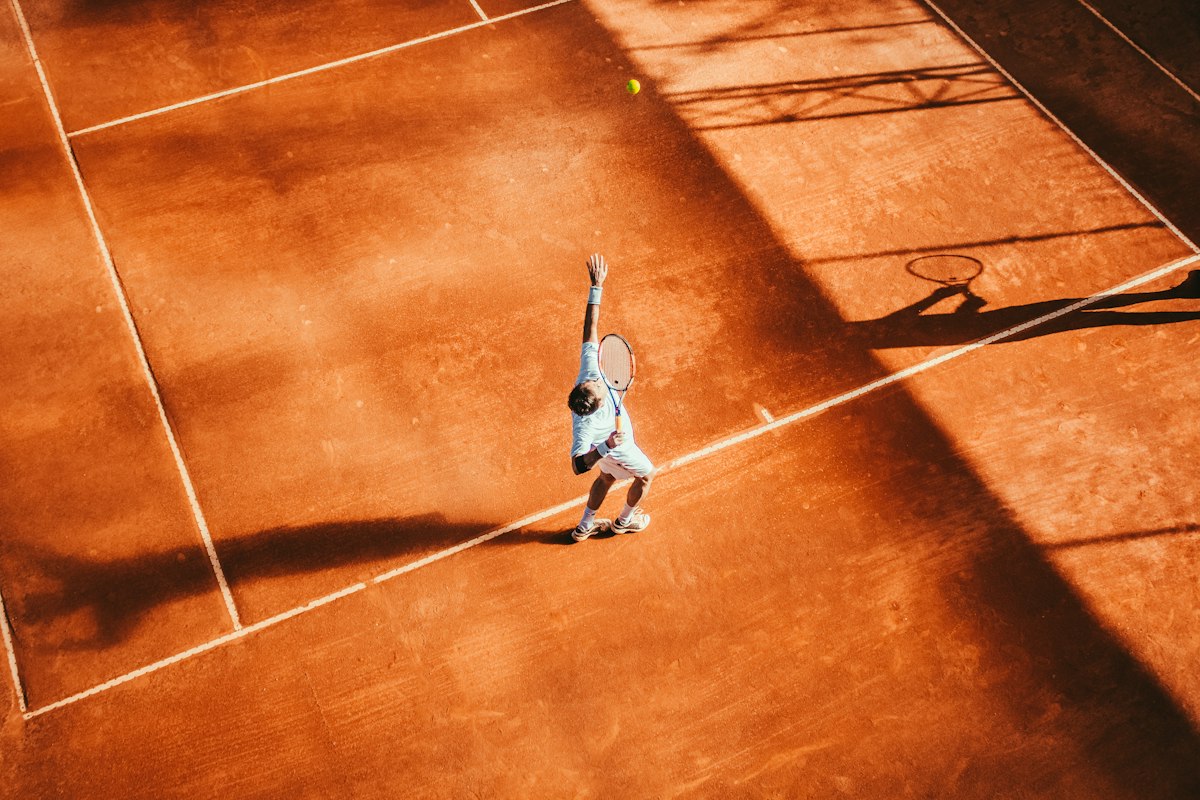
Nobody rallies confidently in session one, and any coach who expects you to hasn’t taught many adults. The first class is almost entirely about the grip, the ready position, and making contact with a fed ball — not points, not rules, not footwork patterns. A good instructor spends the first session calibrating to you specifically: your mobility, your hand-eye coordination, whether you’ve played a racket sport before. Adults tend to overthink this stage because they’re used to being competent at things. Give yourself permission to be a beginner here. The goal for day one is simply making contact more often than not — nothing more.
This is the week most adults quietly consider quitting, and it’s also the least useful week to judge yourself by. Your body is learning a genuinely unnatural movement pattern — rotating the hips and shoulders together while tracking a moving object and timing a swing, all at once. Expect sore forearms, a stiff lower back, and shots that either sail long or die in the net with no in-between. This isn’t a sign you lack talent; it’s what every adult’s first week of tennis classes in Karachi looks like, including people who go on to play socially for years. The forehand usually arrives before the backhand. Trust the process and resist the urge to compare yourself to anyone else on an adjacent court.
Somewhere between session four and session seven, something clicks — usually without warning. A rally that would have broken down after two shots in week one suddenly stretches to six or eight. This is when your nervous system starts doing the timing calculations without your conscious brain fighting it every step of the way. It’s also when most adults report the sport becoming genuinely fun rather than just a workout they’re pushing through. If you booked adult tennis classes in Karachi hoping to eventually enjoy match play, this is usually the first real preview of what that will feel like.

By the end of the first month, a realistic benchmark is this: you can sustain a slow rally from the baseline, serve the ball into play more often than not, and understand basic court positioning well enough to not be a liability in a friendly doubles game. You will not look like a seasoned player. You will look like someone who has clearly put in a month of focused, well-coached practice — which, for an adult starting from zero, is exactly where you should be.
The single biggest factor in how fast an adult progresses isn’t athleticism — it’s whether the coaching is structured around adult learning, not repurposed junior drills. At Baseline Tennis Academy, adult tennis classes are led by Farhan Wahid, a PTR-certified coach and former Pakistan No. 2 Junior, with lesson plans built specifically around how working adults in Karachi actually learn: efficient sessions, clear technical cues, and progress that’s measured in playable skills rather than drills for their own sake. It’s the difference between a month that feels like effort and a month that feels like visible progress.
You don’t need to arrive ready. You need one hour a week and a coach who knows how to work with adult beginners specifically — which is exactly what tennis classes Karachi residents find at Baseline’s DHA courts. Padel and pickleball are also available if you want to explore which racket sport suits you best. Visit baselinetennisacademy.pk or message us on WhatsApp to book your first session and start your own first month.