Why Starting Sports at Age 3 Gives Your Child a Lifetime Advantage — And Where to Begin in Karachi
Every parent wants the best for their
If you have spent any time around the sports courts in DHA over the past year or two, you have almost certainly heard the sound — that satisfying thwack of a padel ball, the enclosed glass walls, the laughter of four players packed into a compact court having the time of their lives. Padel has arrived in Karachi, and it has not arrived quietly.
But what exactly is padel, why has it caught on so fast, and how do you get started? If you have been curious but not sure where to begin, this is everything you need to know.
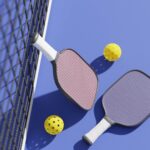
Padel is a racket sport played in doubles on an enclosed court roughly a third of the size of a tennis court. The court is surrounded by glass walls and metal mesh, and the ball can be played off the walls — much like in squash. You use a solid padel racket (no strings) and a depressurised ball similar to a tennis ball but slightly softer.
The scoring system is identical to tennis — 15, 30, 40, game — so if you already play tennis, the structure feels immediately familiar. The key difference is that padel is almost always played in doubles, which makes it inherently social. You are never out there grinding alone. You are always with three other people, which completely changes the atmosphere of the game.
Serves are underarm only, which removes one of the biggest barriers for new tennis players. There is no powerful overhead serve to master before you can enjoy a rally. Within a single session, most beginners are keeping the ball in play and having genuine fun — something that can take weeks to achieve in tennis.
Padel is the fastest-growing sport in the world right now, and Karachi’s active community has embraced it with remarkable enthusiasm. The reasons are not hard to understand. The sport rewards teamwork, communication, and positioning more than raw power or athletic ability. A 45-year-old who has never played a racket sport in their life can enjoy a genuine, competitive game against a fitter, younger opponent — because padel’s enclosed walls mean the ball stays in play longer, rallies are extended, and cleverness beats brute force.
For Karachi’s young professionals, padel has also become a social fixture. Groups of four friends booking a court for an hour, playing two sets, and heading out afterward — it fits perfectly into a busy lifestyle in a way that a full tennis session sometimes cannot. The games are shorter, the learning curve is gentler, and the social element is built into the format.
At Baseline Tennis Academy in DHA, Karachi, we have seen this shift firsthand. Players who started with tennis have discovered padel and now split their time between both. Families who wanted a sport they could all play together have found padel to be the perfect answer. And complete beginners who were intimidated by tennis have found in padel a far more welcoming entry point into racket sports.
Your first session will cover the basics: how to grip the padel racket (it is shorter and chunkier than a tennis racket), how to serve underarm, how to use the back walls to extend rallies rather than losing the point, and how to position yourself as a doubles pair. The rules are simple enough that most people feel comfortable after a single briefing.
One thing that surprises first-timers is how quickly they feel competent. The enclosed court means the ball does not fly off into the distance — it comes back off the wall, giving you a second chance at a shot you might have missed. This makes the learning experience far less frustrating than many other racket sports, and it means you leave your first session feeling good about your ability rather than demoralised.
Equipment is straightforward. You need comfortable sports clothes, non-marking court shoes, and a padel racket. If you do not own one yet, do not rush into buying — try a few sessions first with borrowed equipment to understand what style of racket suits your emerging game. Our coaches at Baseline Tennis Academy can advise you on what to look for when you are ready to invest in your own.
One of the most interesting things we have observed at Baseline Tennis Academy is how naturally padel and tennis complement each other. Tennis players who try padel find that their footwork, court awareness, and reading of the ball transfer immediately — but the game challenges them in completely new ways. The use of walls introduces angles and shot selections that do not exist in tennis. It sharpens reflexes, improves net play, and teaches a different kind of spatial awareness.
Equally, padel players who later try tennis find that their comfort at the net, their doubles positioning instincts, and their ability to construct a point all carry across. The two sports make each other better. This is one of the reasons Baseline Tennis Academy offers both under one roof — because serious players benefit from experiencing both.
Padel is one of those sports where the fastest way to understand its appeal is simply to play it. One session is usually all it takes. The combination of quick rallies, wall play, team tactics, and a genuinely sociable format makes it genuinely difficult not to get hooked.
Baseline Tennis Academy, founded by PTR-certified coach Farhan Wahid — former Pakistan No. 2 Junior — is your home for padel in DHA, Karachi. Whether you are a complete beginner or a tennis player looking to add a new dimension to your game, we have sessions and court bookings available to suit your schedule.
Visit baselinetennisacademy.pk to learn more or WhatsApp us to book your first padel session. We will see you on the court.

Every parent wants the best for their
So your child has shown interest in
If you’ve been hearing the word “pickleball”
Every parent in Karachi wants to give
Our experienced coaches provide professional training programs tailored to players of all ages and skill levels. We are committed to helping every student grow with confidence while delivering a fun, supportive, and high-quality learning experience.